Claim construction strategy for complex product ecosystems, where alleged infringement spans hardware, software, cloud services, and third-party components.
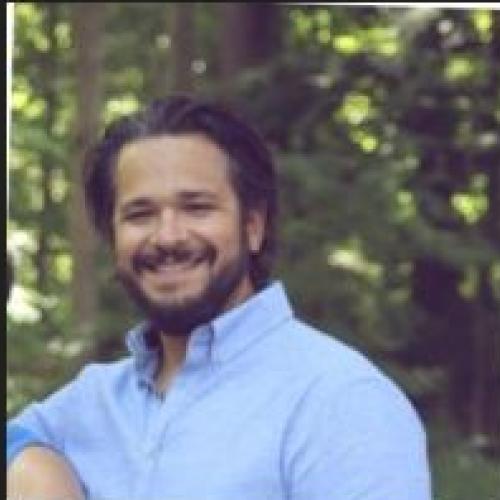
Peter Flora
Chief of IP
AngioDynamics
Claim construction strategy for complex product ecosystems, where alleged infringement spans hardware, software, cloud services, and third-party components.
How defendants identify funded cases in practice and adjust timing, motion strategy, and settlement posture to exploit funder economics and decision constraints.
How and when to use ex parte re-examination to narrow or reshape asserted claims, weaken infringement theories, and create leverage without the visibility or estoppel risks of IPR.
As life sciences patent disputes increasingly span multiple jurisdictions and rely on a wider range of venues beyond the traditional US forums, litigation in the ITC, UPC and Brazil are becoming increasingly viable options. This session compares the benefits of these jurisdictions and sequencing forums to maximise leverage, manage risk, and protect market access across the ITC, UPC and Brazil.
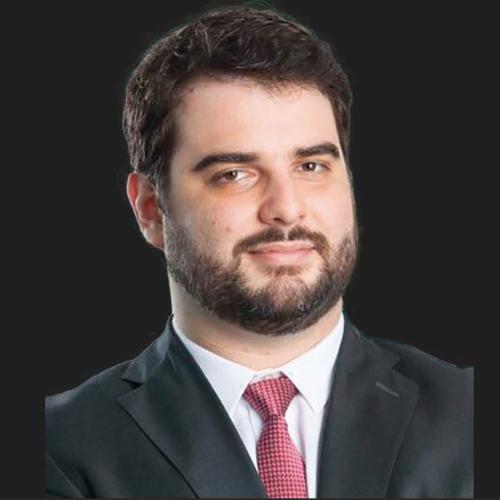
Eduardo Hallak is one of the founding partners at Licks Attorneys and one of our leaders at the Sao Paulo office. For more than a decade, he has been working as a litigator before state and federal courts in Brazil in several complex disputes and leading cases involving Patent law, competition, and regulatory compliance, most of them pursuing the interests of clients in the area of life sciences. He also has extensive practice in trademark litigation as well as technology transfer contracts, working together with multinational clients to establish strong brand protection and licensing programs in the country. Mr. Hallak also currently teaches IP litigation in the Post-Graduation course at the prestigious Pontifical Catholic University of Rio de Janeiro (PUCRJ), has taught Civil Procedure at the at the Brazilian Association of IP Agents (ABAPI), and is often invited to lecture on procedural and strategic aspects of IP litigation, in addition to being a member of the Special Commission on Mediation of the Rio de Janeiro Chapter of the Brazilian Bar Association (OABRJ) and the Enforcement Committee of INTA.
From MedTech devices and AI-enabled hardware to cloud platforms and AI drug discovery, AI technologies are increasingly central to inventorship and innovation across sectors. As AI becomes embedded in regulated medical technologies such as Software as a Medical Device (SaMD) and AI-enabled diagnostics, new evidentiary and regulatory considerations are emerging in patent disputes. This session reviews recent AI-related patent cases and examines how courts are shaping litigation and portfolio strategy going forward.
The rise of the 505(b)(2) pathway is changing how branded pharmaceutical and biotech companies approach lifecycle management and litigation. Unlike ANDA generics, 505(b)(2) applicants can enter earlier with differentiated products while relying on branded data, creating a hybrid competitive threat that often falls outside traditional Orange Book assumptions. Join this workshop to hear a discussion around defence strategies from a panel of experts from the generic and innovator industries.
In this fireside conversation, a senior USPTO official discusses current patent policy priorities, PTAB practice, and how the Office is approaching emerging technologies and global enforcement pressures.
Under Director Squires’ leadership, the PTAB has seen reduced reliance on discretionary denials and a recalibrated role for inter partes review. This session brings together former PTAB faculty and experienced PTAB litigators to examine how institution standards are being applied in practice, why certain challenges are proving less viable than before, and when alternatives such as ex parte re-examination may offer a more effective path.